

Domestic CCTV installations are essential for home security, offering homeowners peace of mind and protection against threats. These systems monitor key areas like entrances and driveways, providing real-time surveillance and recording. Modern cameras feature high-definition video, night vision, and remote access via smartphones, allowing homeowners to oversee their property from anywhere. Professional installations begin with a site assessment and consultation to customize the system to the household's needs. As security concerns rise, domestic CCTV systems deter crime and provide valuable evidence, making them a crucial investment for safeguarding homes and families.
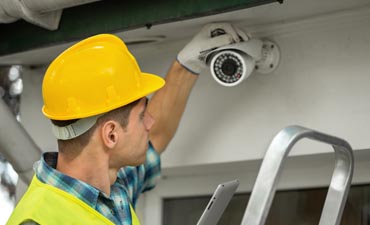
A detailed site assessment is essential for identifying security needs and vulnerabilities in a home. This evaluation helps determine the best locations for camera installation.
In the pre-installation consultation, homeowners discuss their security concerns and objectives with professionals, ensuring the proposed system meets their specific requirements.
Strategic camera placement is vital for effective surveillance. Cameras should cover entry points, driveways, and other critical areas while minimizing blind spots.
Choosing appropriate storage solutions for recorded footage is crucial. Options include local storage devices and cloud-based systems for easy access and management.
Understanding and adhering to local privacy laws is important for domestic CCTV installations, ensuring that the system operates within legal boundaries.
Regular maintenance and support are necessary to keep CCTV systems functioning effectively. Establishing a maintenance plan ensures ongoing reliability and security.