Benefits of CCTV Camera Installations for Equine and Farm Security
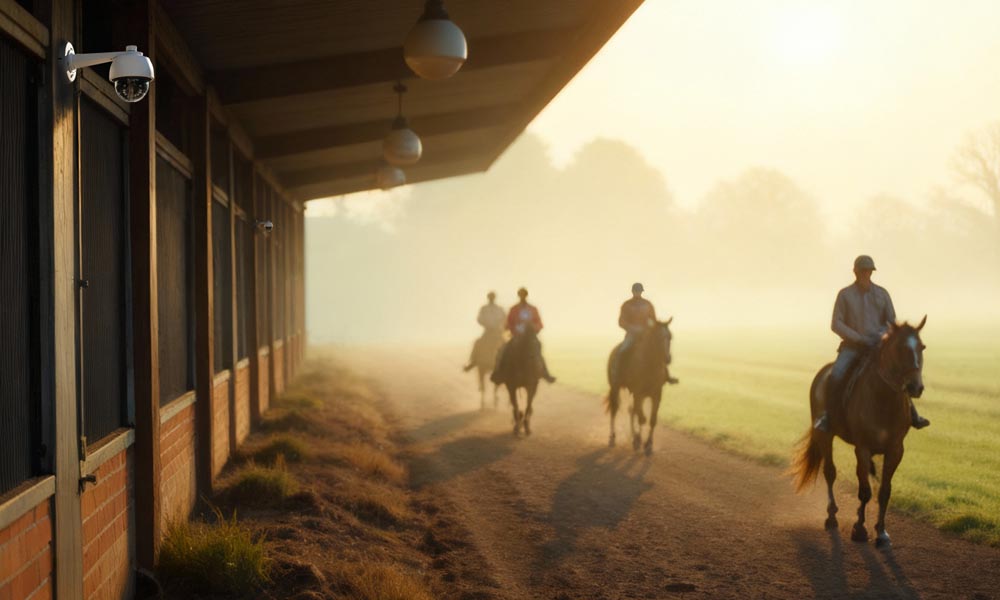
Equine and farm installations of CCTV cameras play a crucial role in enhancing security and monitoring livestock. These systems are designed to withstand outdoor conditions while providing clear surveillance of expansive areas, such as stables, paddocks, and barns. By strategically placing cameras in key locations, farm owners can monitor animal behavior, prevent theft of equipment, and ensure the overall safety of both animals and property. Additionally, remote access capabilities allow farmers to keep an eye on their operations from anywhere, providing peace of mind while they’re away. This proactive approach not only protects valuable assets but also promotes better management of farm activities and animal welfare.
Site Assessment
A comprehensive site assessment is essential for determining the specific security needs of equine and farm installations. This process involves evaluating the layout, identifying vulnerable areas, and understanding the unique challenges associated with monitoring livestock and equipment.
Pre-Installation Consultation
During the pre-installation consultation, security experts collaborate with farm owners to discuss their objectives and concerns. This dialogue helps ensure that the proposed CCTV system aligns with the specific requirements of the property and enhances overall security.
Optimal Camera Placement
Optimal camera placement is critical for effective surveillance on farms. Cameras should be strategically positioned to cover key areas such as barns, paddocks, and entry points, ensuring comprehensive monitoring while minimizing blind spots.
Storage Solutions
Choosing the right storage solution for recorded footage is vital for farm operations. Options include local storage devices and cloud-based systems that allow for easy access and management of footage, catering to the specific needs of farm owners.
Compliance
Compliance with local regulations regarding surveillance is crucial for farm installations. Understanding privacy laws and data protection requirements helps ensure that the CCTV system operates within legal boundaries while maintaining ethical standards.
Maintenance and Support
Regular maintenance and support are essential for the longevity of CCTV systems on farms. Establishing a maintenance plan ensures that cameras remain operational and effective, providing continuous security and peace of mind for farm owners.
Special Considerations
When installing CCTV security systems in equine and farm environments, several special considerations must be taken into account:
- 1. Weather Resistance: Cameras must be weatherproof and durable to withstand harsh outdoor conditions, including rain, snow, and extreme temperatures. Choosing equipment rated for outdoor use is essential to ensure longevity.
- 2. Wide Coverage Areas: Farms often have expansive areas that need surveillance. Systems should be designed with wide-angle lenses or multiple cameras to cover large fields, barns, and other critical locations without blind spots.
- 3. Animal Behavior: Understanding the behavior of livestock is crucial. Cameras should be placed to avoid startling animals or causing distress, ensuring their natural behavior is captured for monitoring purposes.
- 4. Remote Access: Farm owners often need to monitor their property when they’re not on-site. Systems should offer remote access via mobile devices or computers, allowing for real-time surveillance and alerts.
- 5. Data Storage: Given the potential for extensive footage, it's important to have adequate storage solutions. Options should include local servers or cloud storage that can handle large amounts of data while providing easy retrieval.
- 6. Power Supply: Ensuring a reliable power supply for cameras is crucial, especially in remote areas. Solar-powered options or battery backups may be considered for locations without easy access to electrical outlets.
- 7. Integration with Other Security Systems: CCTV should complement other security measures, such as alarms or motion detectors. An integrated system enhances overall security and response capabilities on the farm.
- 8. Privacy Considerations: It's important to be aware of privacy laws and regulations concerning surveillance, especially if the cameras may capture areas beyond the owner's property or if they’re near public spaces.
- 9. Maintenance and Support: Regular maintenance is needed to ensure cameras function correctly, especially in rugged environments. Establishing a support plan for troubleshooting and repairs can help maintain system effectiveness.
- 10. Training: Providing training for farm staff on how to use the CCTV system effectively is important. They should understand how to access footage, respond to alerts, and maintain the equipment.